


Almost every jar of THCA flower says how it was grown, and almost nobody explains what that means. Indoor, greenhouse, outdoor — the label sets the price, and the price difference runs 20 to 40%.
Here’s what changes between them, and the part most shops leave out.
The three methods
Indoor. Grown entirely under artificial light in a sealed room, with temperature, humidity, airflow and light cycle all controlled. Because nothing depends on the season, a facility can run four to six harvests a year.

Greenhouse. Natural sunlight inside a covered structure, usually with some environmental control. Sometimes called light-dep or sun-grown. It sits between the other two in both cost and consistency.
Outdoor. Open fields, full sun, one harvest a year. The largest yields at the lowest cost, and the most exposure to weather.
What changes in the flower
Density and appearance. This is the most visible difference. Indoor buds are typically tighter and more compact, with heavier visible trichome coverage. Outdoor tends to grow looser, with a more natural structure and sometimes minor weather marks.
Consistency. A controlled room produces jars that resemble each other batch after batch. Outdoor varies with the season it was grown in, so two harvests of the same strain can differ noticeably.
Terpene profile. This is where it gets interesting. Indoor conditions can be tuned to push a specific terpene expression, which is why indoor often reads as loud and focused. But sunlight covers a wider light spectrum than any lamp fully reproduces, and outdoor flower is often described as having a more layered, complex profile as a result.
Cannabinoid content. Indoor generally tests higher, but not automatically. Genetics, plant health, harvest timing and how the flower was dried and cured matter as much as where it grew. A well-grown outdoor crop can out-test an average indoor one.
Why indoor costs more
The price gap is production economics, not a quality guarantee.
An indoor room runs lights, climate control, dehumidification and airflow around the clock. Published estimates put indoor production somewhere in the range of $500 to $1,200 per pound depending on the facility, against roughly $200 to $500 outdoor.
You’re paying for the controlled environment, and for what that environment reliably produces: density, appearance, and jar-to-jar consistency.
The part most shops leave out
Indoor is not automatically better flower. It’s more expensive flower with more predictable characteristics.
Grower skill and curing quality matter more than the growing method. A carefully cured greenhouse crop beats a rushed indoor one. And freshness beats both — flower that’s been sitting for a year loses more than any cultivation method gains.
Cannabinoid percentage alone is a poor way to shop. Terpene profile, aroma, moisture and how recently it was harvested all matter, and none of them show up in a single number.
What we carry
Our flower is indoor-grown, in 3.5-gram and 7-gram jars.
Sluggers runs the widest strain selection — hand-trimmed 3.5-gram jars finished with strain-specific terpenes, in Bubble Bath, Euphoria, Rainbow Road, Runtz and Uforeoz. Proper Roots offers a 7-gram jar if you’d rather buy in size, and Mylar and Sticky Green fill out the range.
The same indoor flower shows up rolled and infused in our pre-rolls, including formats you can’t make from a jar.
See everything in Flowers.
How to judge flower yourself
Look at the trichomes. They should be visible as a frost across the bud, not sparse or flattened.
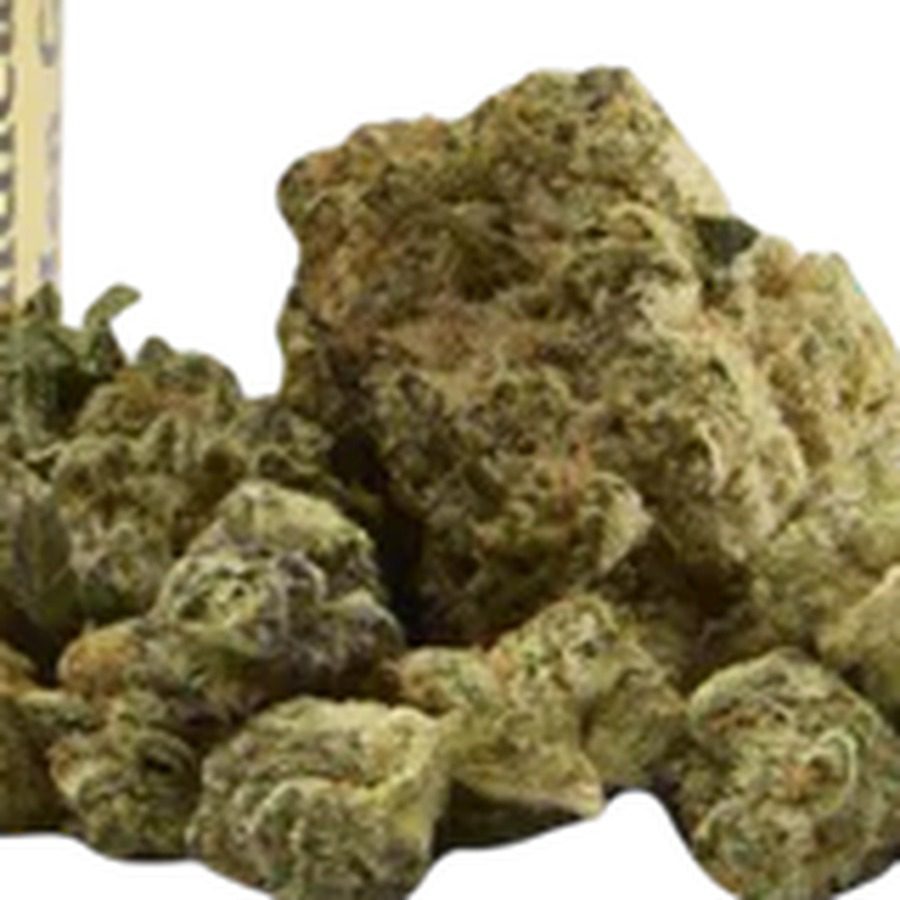
Check the structure. Buds should be firm but not brittle. Crumbling means it dried too far; spongy means too much moisture and a mold risk.
Smell it. A flat or hay-like smell usually means age or a rushed cure, whatever the label says.
Read the lab report. The terpene panel tells you more about how it will taste than the cannabinoid number does. Every batch we carry has one on our COA page.
Store it properly. Sealed glass at 58 to 62% humidity, in the dark. Bad storage undoes good flower in weeks — we cover the full version in our storage guide.
Frequently asked questions
Is indoor THCA flower better than outdoor?
Not automatically. Indoor is more consistent and denser with heavier trichome coverage, and it costs more to produce. But grower skill, curing quality and freshness affect the final product more than the cultivation method does.
Why does indoor flower cost more?
Lights, climate control and airflow run continuously. Published estimates put indoor production at roughly $500 to $1,200 per pound against $200 to $500 outdoor. Indoor typically retails 20 to 40% higher.
What is greenhouse or light-dep flower?
Flower grown under natural sunlight inside a covered structure, usually with some environmental control. It sits between indoor and outdoor on both cost and consistency.
Does indoor flower test higher in THCA?
Often, but not always. Genetics, plant health, harvest timing and curing all affect the result. A well-grown outdoor crop can test higher than an average indoor one.
How can I tell if flower was grown indoors?
Indoor buds are typically denser and more uniform with heavier visible trichome coverage. Outdoor grows looser with a more natural structure. The label should say, and the lab report confirms what’s in it.
What size jars do you carry?
3.5 grams and 7 grams.
This article is for general information and is not legal or medical advice. Hemp regulations vary by state and change frequently.